01 — In Geneva since 2002
Caring for trees, for the long term
For 25 years, Les Artisans de l’Arbre have supported property owners, public authorities, businesses and site managers in the care and management of their trees. We have cared for more than 15,000 trees and assessed over 21,500.
Our work is built first and foremost on an understanding of the tree: how it functions, its architecture, its development and its capacity to adapt, so that every intervention is appropriate and proportionate. Each tree is a living organism, so there is no one-size-fits-all answer.
2002
Company founded in Vernier, Geneva
13
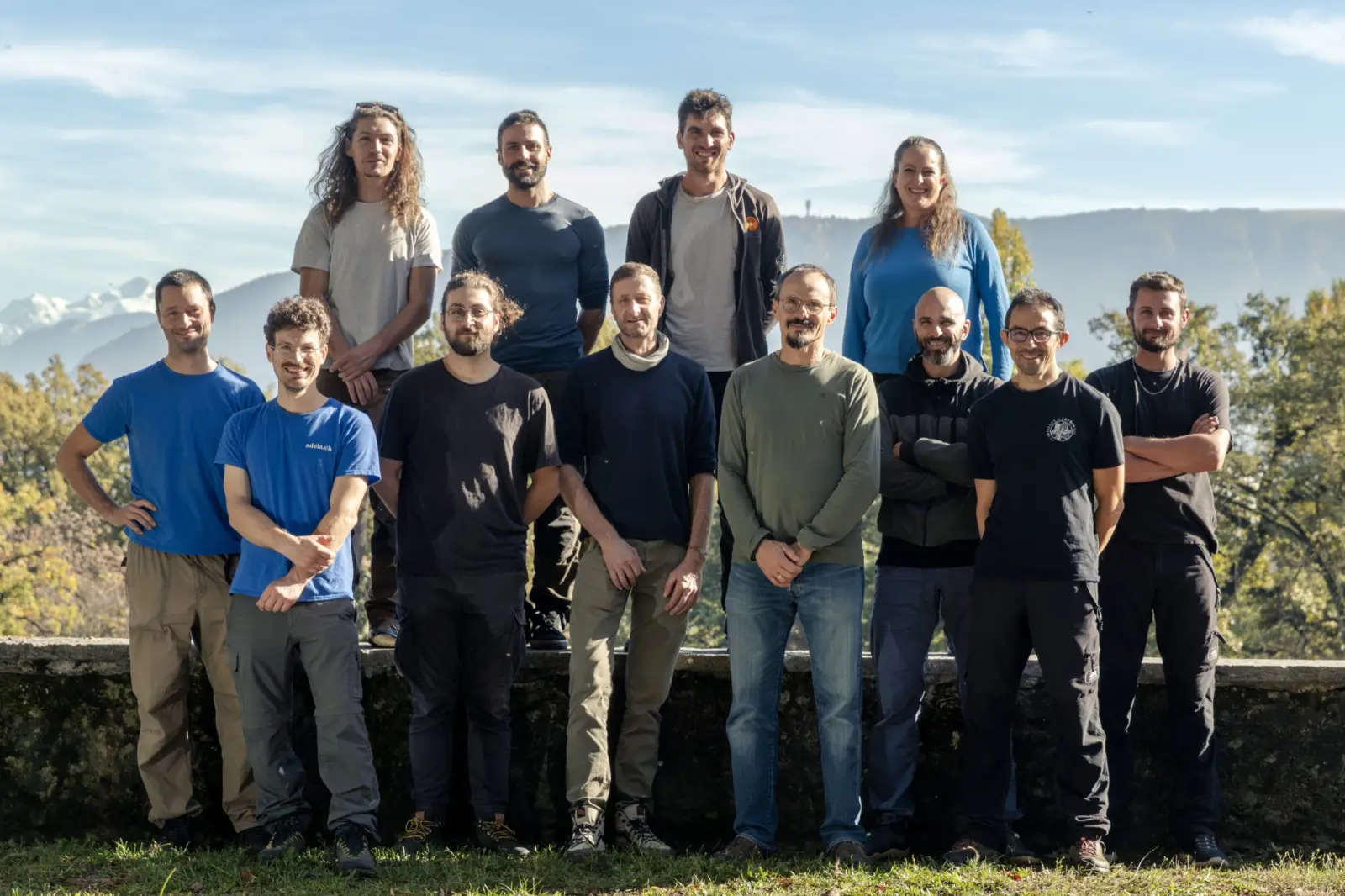
Arborists, consultants and qualified staff
15,000
Trees cared for
21,500
Trees assessed
02 — Our approach
Intervening only when necessary, always with respect for the tree.
Observe before acting
Architecture, vitality, soil, surroundings: every intervention begins with a careful look at the tree and its context.
Understand before intervening
Our practices are grounded in tree biology, physiology and biomechanics, and in the experience we gain every day in the field.
Preserve wherever possible
A tree in poor mechanical condition, with cavities and plenty of deadwood, does not necessarily need pruning if it poses no risk to people or property. We always favour a measured intervention so that a tree can be retained for as long as possible, even as a habitat tree for wildlife and plants.
03 — Tree care
Looking after the tree throughout its life
From planting to the end of its life, every intervention is chosen according to the tree’s condition, its stage of development and the setting in which it grows.
-
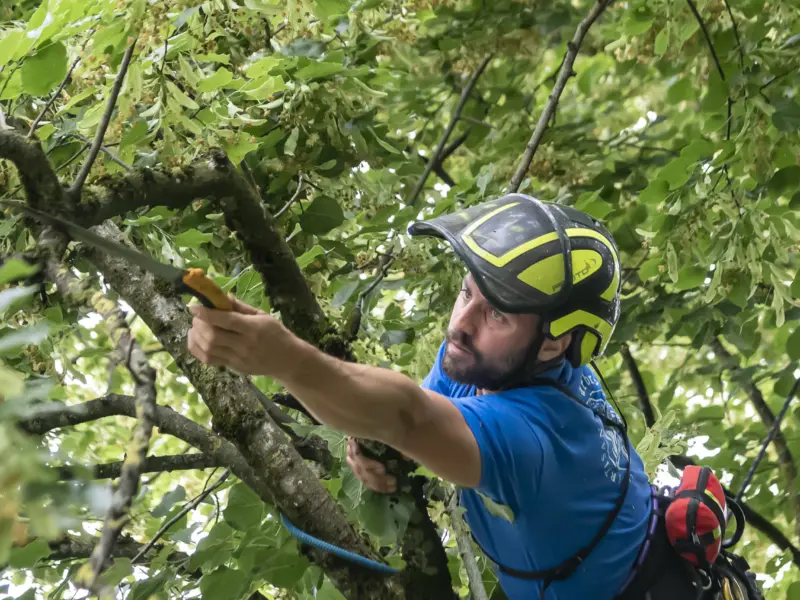
Tree pruning
Every cut is a wound: we prune only when a clear objective justifies it, with the minimum intervention necessary.
Learn more -
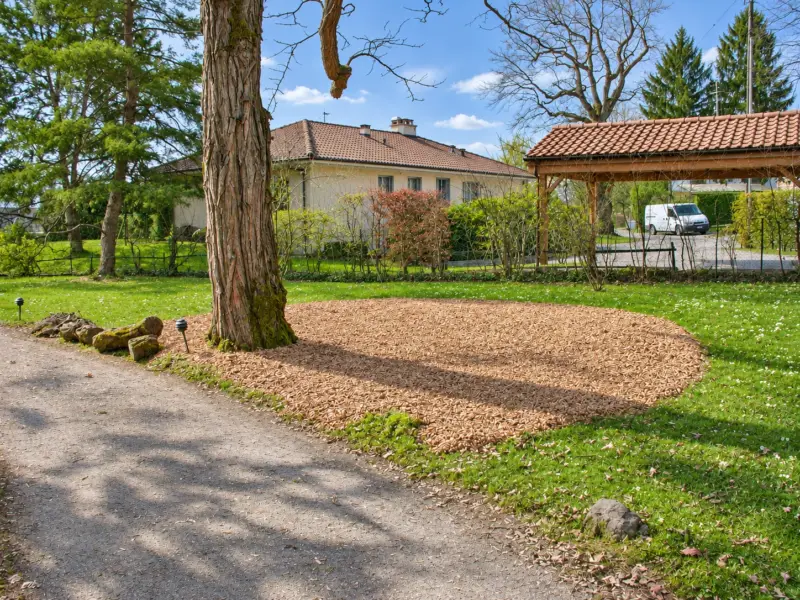
Root care & soil improvement
Improving soil structure and soil life to restore conditions in which roots can thrive.
Learn more -
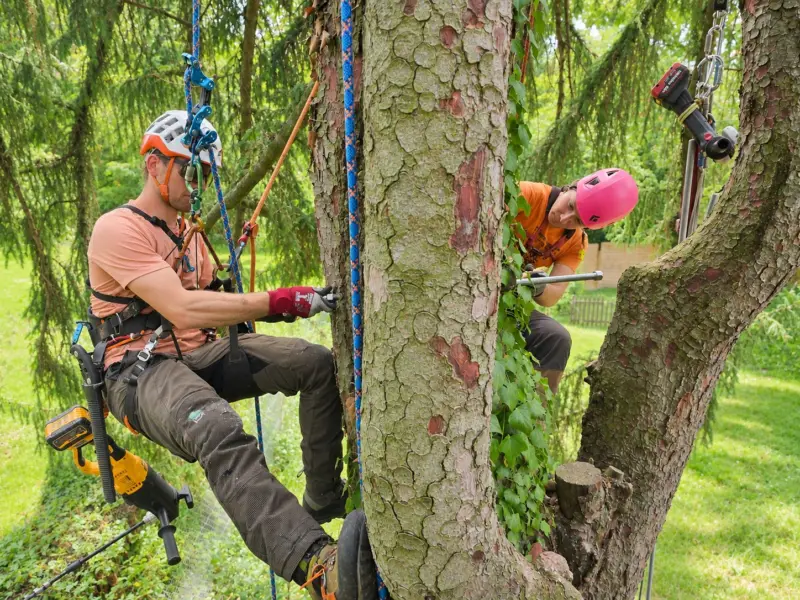
Tree cabling & bracing
Securing a weakness in the crown with dynamic or static cables, balancing safety with keeping the tree.
Learn more -
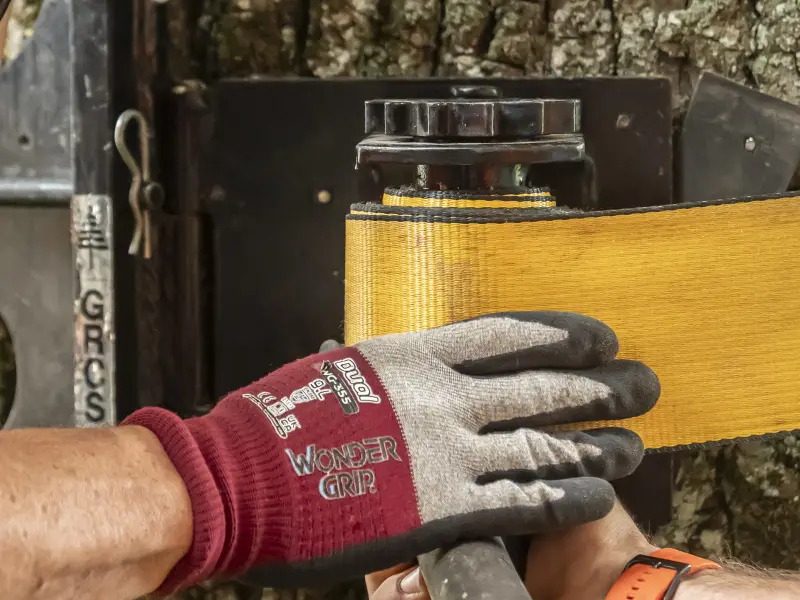
Tree felling & dismantling
When a tree can no longer be kept: direct felling or sectional dismantling with rigging, protecting people and buildings.
Learn more -
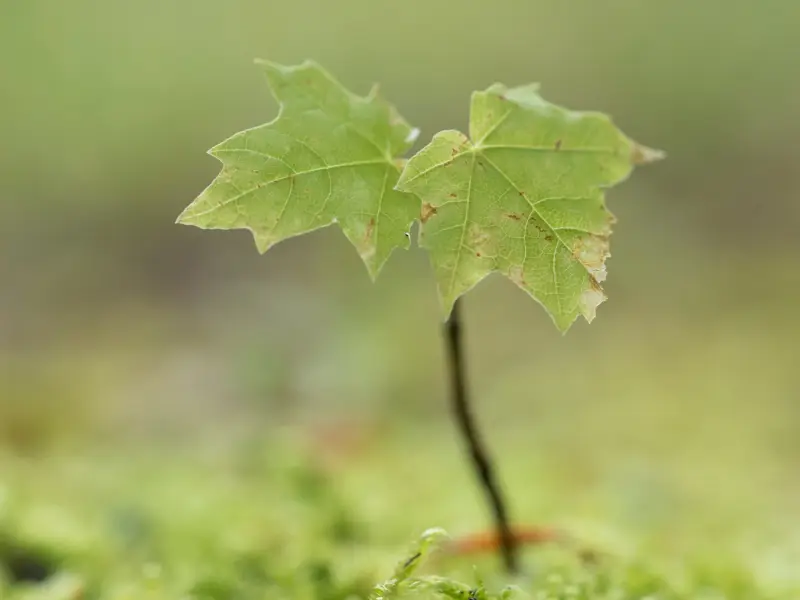
Tree planting
The right tree in the right place: species selection, quality nursery stock, soil preparation and aftercare for young trees.
Learn more -
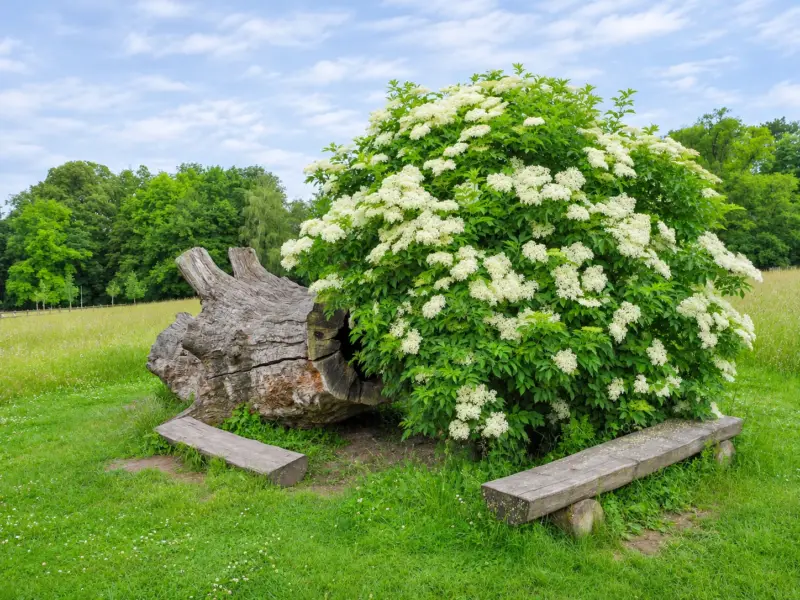
Trees & biodiversity
Deadwood, cavities, mulch and wildlife shelters: we protect all the life that depends on trees.
Learn more
04 — Consultancy
Understanding the tree before deciding
Tree assessments, tree diagnosis, tree inventories and site supervision for public authorities, private owners, property management agencies, businesses and site managers.
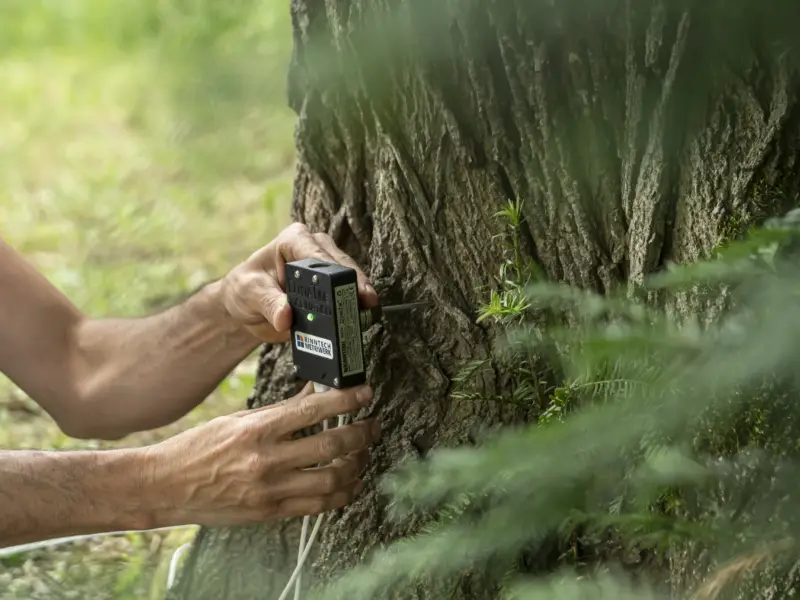
Expertise & diagnosis
Assessing the physiological and mechanical condition of trees, identifying potential risks and proposing tailored solutions that balance conservation, safety and use.
- Recognised diagnostic methods: DIA, VTA, QTRA
- Advanced investigations: sonic tomography, Resistograph, pulling tests
- Tree inventories and management plans with Sylvencia©
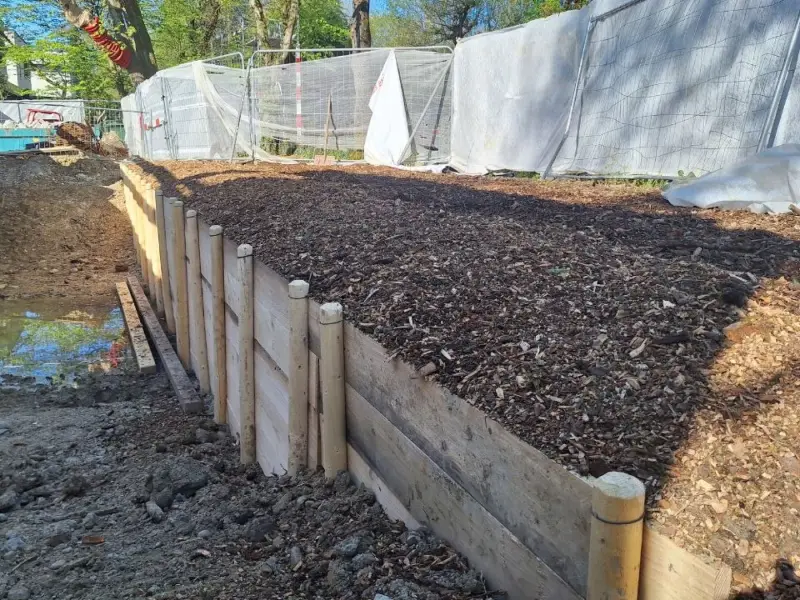
Tree protection on construction sites
Anticipating the impact of works on trees and supporting construction projects so that tree retention can be reconciled with site constraints, in line with local guidelines.
- Arboricultural impact assessments
- Defining tree protection zones and preventive measures
- Arboricultural supervision before, during and after the works
05 — Our commitments
Skill, restraint and responsibility
Caring for trees also means thinking about how we do our job: respect for the environment, passing on know-how and the safety of our staff.
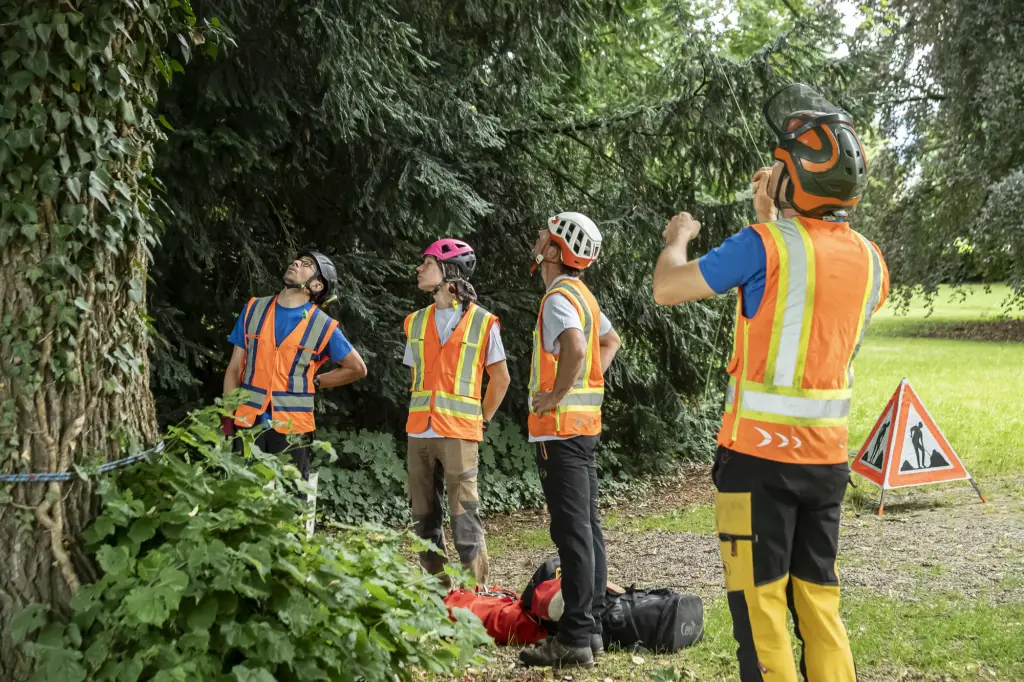
Respect for the environment
Alkylate fuel, biodegradable oils and no synthetic pesticides. A self-declared EcoEntreprise company.
Training company
We train tomorrow’s arborists, notably through the CS Taille et soins aux arbres (Swiss specialist certificate in tree pruning and care).
Health & safety
Regular training and full compliance with collective labour agreements: caring, too, for the people who do this work.
Recognised quality
Signatories of the quality charter of the ASSA (Swiss Tree Care Association), with specialists holding the Brevet fédéral (Swiss federal professional diploma).
07 — Frequently asked questions
Your questions answered
Another question?
Call us on +41 22 341 47 70.
Does a tree need pruning every year?
No. A healthy tree does not necessarily need pruning. Every cut is a wound, so pruning must serve a specific purpose (formative pruning of a young tree, removing deadwood or hazardous branches, adapting to site constraints), with the minimum intervention necessary.
Can a tree with a defect be retained?
Often, yes. Following a tree diagnosis, targeted pruning, dynamic or static cabling, or regular monitoring can reconcile safety with retention. Felling is recommended only when the level of risk means the tree can no longer reasonably be retained.
How can trees be protected during construction work?
Ideally carried out at the project design stage, an arboricultural impact assessment identifies the trees affected and the space they need in order to be retained. Working with everyone involved in the project, we look for technical solutions that integrate the trees into it for the long term, in line with the guidelines of the OCAN (Geneva’s cantonal office for agriculture and nature) and the regulations in force in other cantons. We then define the tree protection zones and provide arboricultural site supervision during and after the works.
What methods do you use for a tree assessment?
Every assessment begins with a thorough examination of the tree and its surroundings. Our diagnoses rely on recognised methods: DIA (Diagnostic Intégré de l’Arbre, an integrated tree diagnosis method), VTA (Visual Tree Assessment) and QTRA (Quantified Tree Risk Assessment) for risk evaluation. Where necessary, further investigations are carried out with specialist tools such as sonic tomography, the Resistograph or pulling tests, always favouring the least invasive techniques.
What happens to the branches and wood after the work?
Where the setting allows, they are put to good use on site: chipped into mulch, kept as deadwood, or used for log piles, dead hedges or wildlife shelters. The organic matter stays on site and supports biodiversity.
Who do you work for?
Based in Vernier, we work in Geneva and throughout French-speaking Switzerland for private individuals, public authorities, property management agencies, businesses and managers of tree stock. Our services adapt to every scale, from a single tree in a private garden to large tree stocks.
Lopping or pruning: what’s the difference?
The French term ‘élagage’ is technically correct, but, much like ‘lopping’ in English, it is often associated with severe work or even drastic cutting back. With the emergence of modern arboriculture, the notion of ‘light pruning’ (taille douce) developed to mark a break with these practices. Today we prefer the term ‘sympathetic pruning’ (taille raisonnée), which better reflects our philosophy: every intervention must serve a specific purpose, be proportionate to the tree’s needs and respect its biology, its architecture and its capacity to respond.