

01 — The role of the arboricultural consultant
Balancing building projects and tree preservation
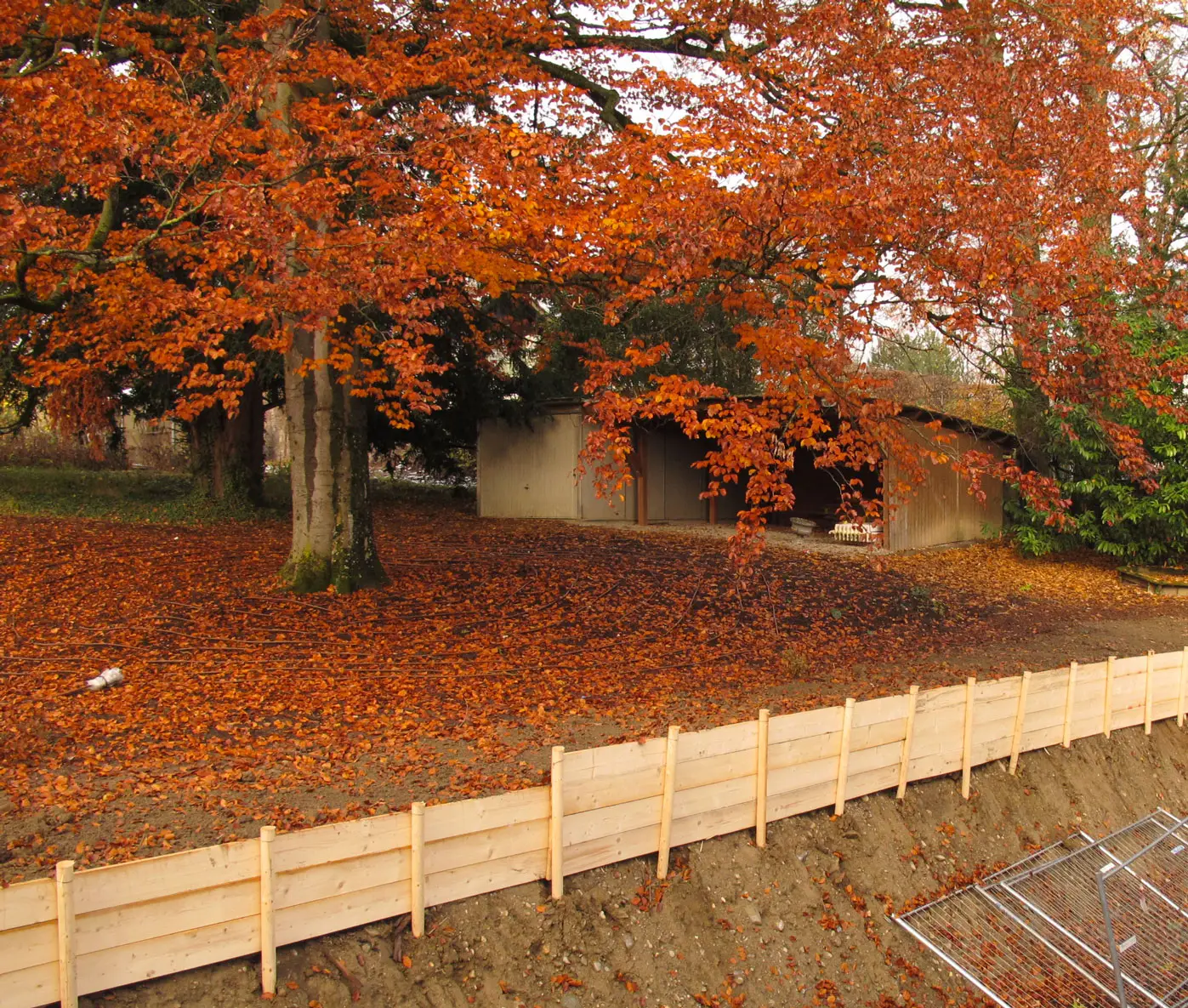
Earthworks, changes in ground level, foundations, utility networks, machinery traffic and materials storage can affect the roots, the soil and sometimes the structure of the trees directly. Some damage remains invisible for a long time, and its consequences may only become apparent several years after the works are finished.
The role of the arboricultural consultant is to give project owners and designers the understanding of trees they need to build these constraints into the project.
Les Artisans de l’Arbre work alongside architects, landscape architects, engineers, engineering consultancies, construction companies, public authorities and government departments, from the design stage through to the handover of the works, to help integrate and preserve existing trees.
The Geneva framework
In Geneva, this approach follows the framework set by the Cantonal Office for Agriculture and Nature (OCAN). Its directive on works near trees defines, among other things, the tree’s vital zone (domaine vital): the above- and below-ground space the tree needs to survive. Any work within this area must be assessed and covered by appropriate protection measures.
The aim is to find solutions that reconcile the requirements of the project with the long-term conservation of the trees that are worth keeping.
02 — Arboricultural impact assessment
Anticipate rather than repair
Ideally, the arboricultural impact assessment begins in the earliest design stages, while there is still plenty of scope to adapt the project.
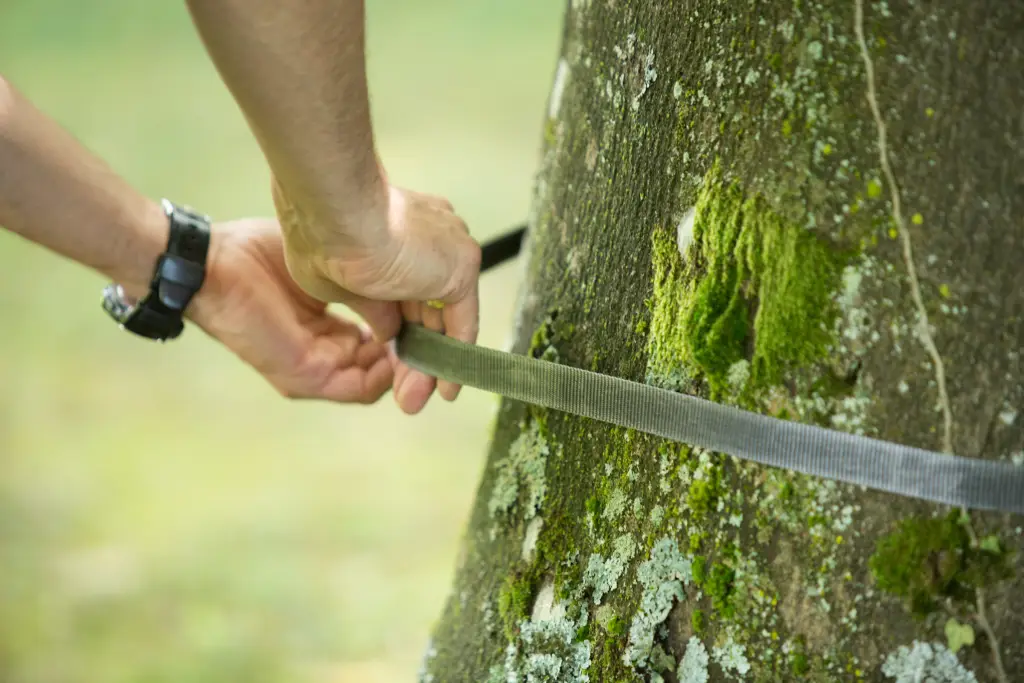
It starts with a survey and diagnosis of the trees likely to be affected by the works. We analyse their physiological and mechanical condition, their architecture, stage of development, dimensions and future potential.
This information is then compared with the project: building footprints, earthworks, foundations, utility networks, access, roads, changes in level, site facilities and any other works likely to interact with the trees.
This analysis identifies the trees for which the project poses few constraints, those that require specific protection measures or changes to the project and, where the two cannot reasonably be reconciled, those whose retention should be reconsidered.
Understanding the space a tree needs
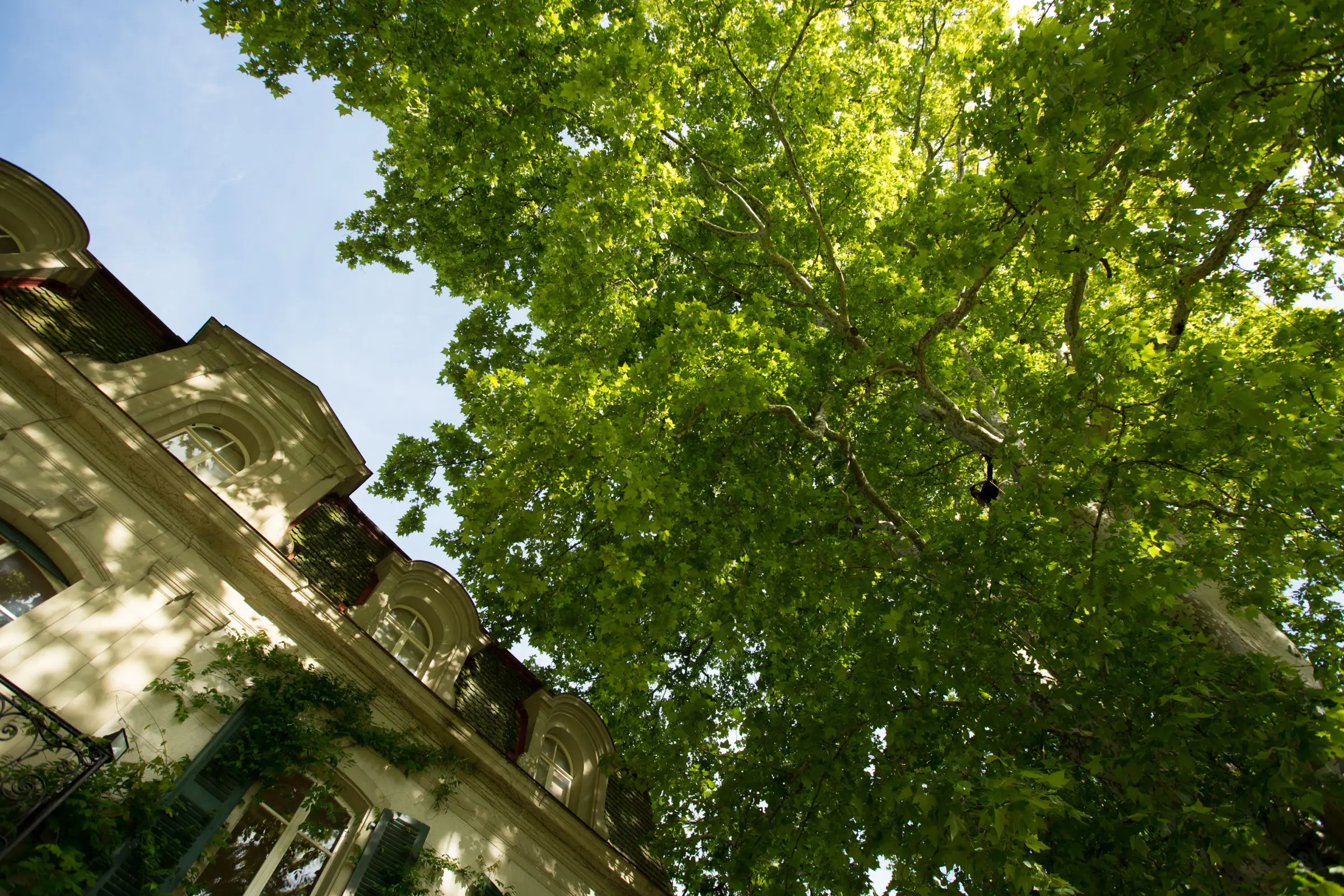
Conserving a tree is not simply a matter of protecting its trunk and crown.
Much of what keeps it alive happens below ground. Its root system supplies it with water and minerals, helps anchor it and itself depends on soil that is sufficiently aerated, permeable and biologically active.
Construction work can alter this environment through excavation, root severance, soil compaction, surface sealing, changes in level or altered water conditions.
The impact assessment therefore sets out to determine, case by case, the space the tree needs to survive in the long term and to identify where this space and the project interact.
Where conflicts arise, we work with everyone involved to find solutions: adjusting the position of a building, modifying an excavation or a utility route, choosing a different construction technique or putting specific protection measures in place.
The aim is not to make every tree untouchable, but to enable everyone involved to make decisions based on objective knowledge of the trees’ condition and of the foreseeable consequences of the project.
In short
The best opportunities to protect trees effectively come before the works begin.
03 — Arboricultural site supervision
Before, during and after construction
From project design to monitoring the trees after the works: three stages to anticipate impacts and support their long-term conservation.
Before construction
Integrating trees from the design stage
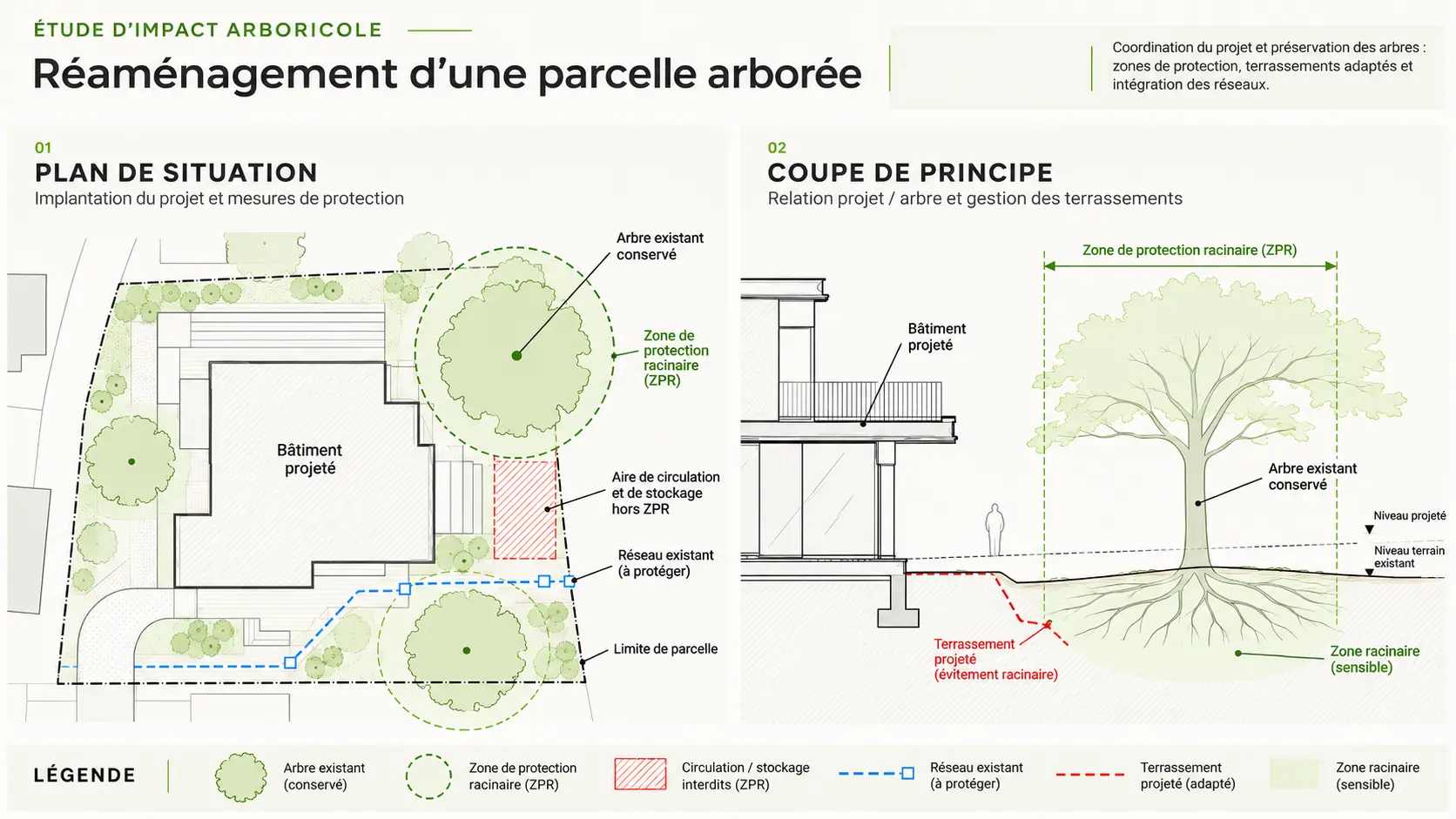
Drawing on site observations and analysis of the plans, we identify the arboricultural constraints and work with the other parties to find technical solutions that reconcile the project with the conservation of the trees.
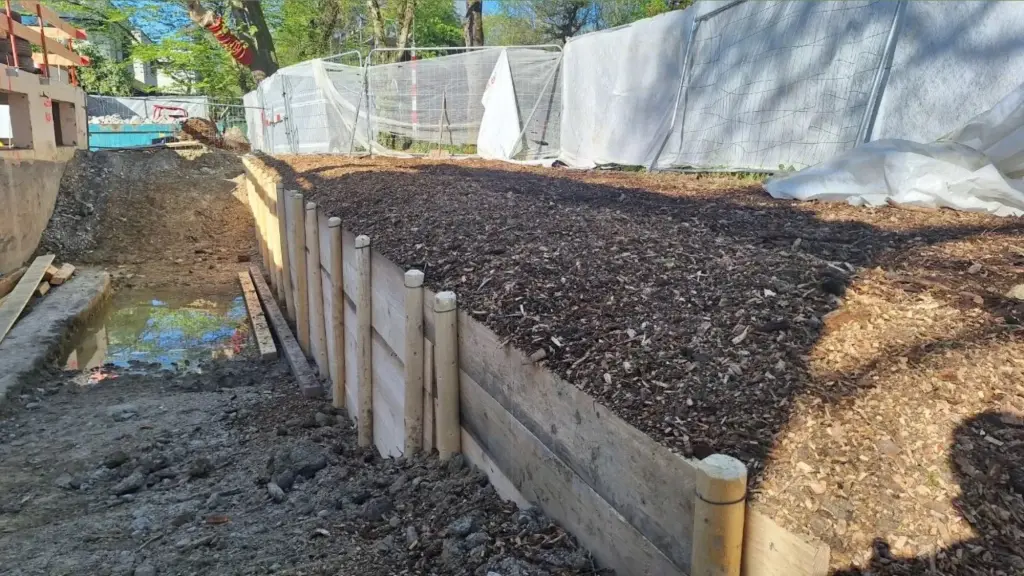
In particular, we define the protection zones, the rules for vehicle movements and storage, excavation methods near roots, precautions for utility networks and any tree work required beforehand.
These specifications are written into the project documents so that they are taken into account and applied from the very start of the works.
During construction
Supporting works close to trees
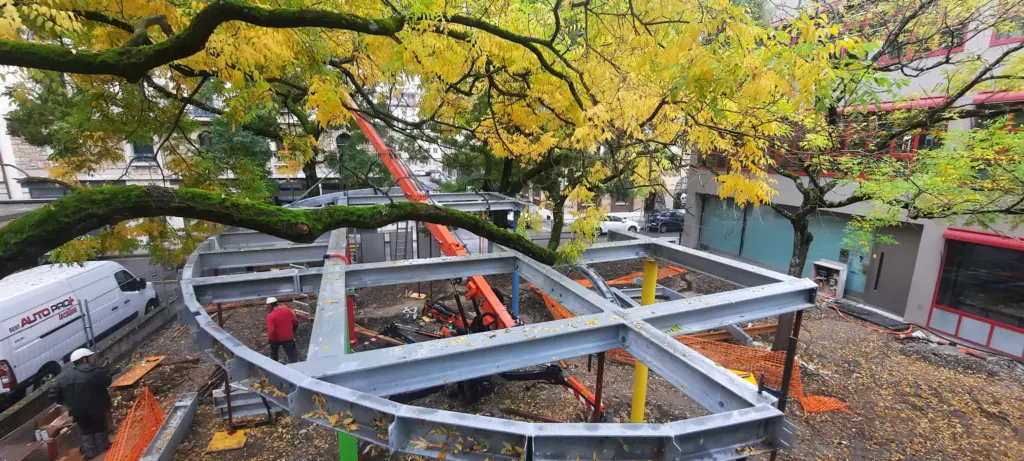
Even when a project has been carefully prepared, some situations call for an arborist to be on site during the works.
We then provide arboricultural site supervision and support the contractors during any operations likely to affect the trees.
When excavation has to be carried out close to the root system, we can supervise the work, identify the roots uncovered and decide on the most appropriate way to proceed.
Depending on the situation, various techniques can be used to limit damage:
- Hand digging or vacuum excavation
- Local adjustments to the route
- Protecting or treating exposed roots
- Maintaining soil moisture
- Protecting the soil against compaction
Supervision also makes it possible to check that the protective measures stay in place and to adjust the specifications when conditions on the ground differ from what was planned on paper.
After construction
Supporting trees in their new environment
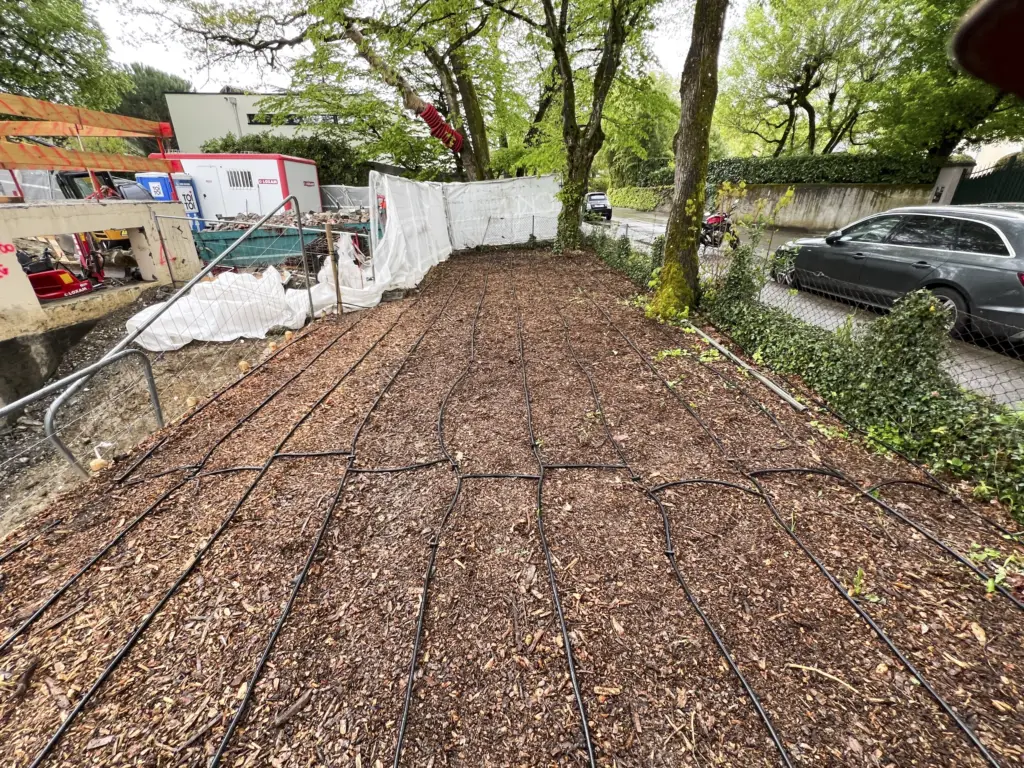
The end of the works does not necessarily mean the end of arboricultural monitoring.
An inspection checks the condition of the retained trees and identifies any effects of the works on their root system, vitality or stability.
Where necessary, we may recommend aftercare measures:
- Improving soil conditions
- Mulching
- Watering
- Root care
- Closer monitoring
- Follow-up inspection after a set period
For major projects or trees of particular value, monitoring over several years makes it possible to observe how they respond over time and to adapt management measures as they develop.
Protecting a tree on a construction site starts long before the machines arrive: with knowledge of the tree, anticipation of the impacts and dialogue between everyone involved in the project.
04 — Frequently asked questions
Before you build
Planning a project near trees?
Call us on +41 22 341 47 70.
When should you bring in an arboricultural consultant?
Ideally from the earliest design stages, while there is still plenty of scope to adapt the project. The best opportunities to protect trees effectively come before the works begin.
What is a tree’s vital zone?
It is the minimum above- and below-ground space the tree needs to survive, as defined in the directive of the Cantonal Office for Agriculture and Nature (OCAN) on works near trees. Any work within this area must be assessed and covered by appropriate protection measures.
What kind of work can damage a tree?
Earthworks, changes in ground level, foundations, utility networks, machinery traffic and materials storage can affect the roots, the soil and sometimes the structure of the trees. Some damage remains invisible for a long time: its consequences may only become apparent several years after the works are finished.
Does monitoring stop when construction ends?
Not necessarily. An inspection checks the condition of the retained trees. For major projects or trees of particular value, monitoring over several years makes it possible to observe how they respond over time and to adapt management measures.